2025
Alvis Rozenbergs
Porcelain Collecton
Esmeralda Purviske
LAYOUT1
Open Architecture Design (OAD) founder architect Zane Tetere-Sulce introduces a ceramic collection that translates her architectural worldview into a bold, angular and geometric porcelain tableware. “I wanted to express the architectural form in something tangible - within objects that have a real purpose and serve people on daily basis,” she shares. The Porcelain Collection is the result of years of hands-on experimentation in the architect’s backyard studio. It challenges conventional ceramic craftsmanship by deliberately resisting porcelain’s natural fluidity and rethinking traditional approaches to color application. Handcrafted in collaboration with ceramist Esmeralda Purviske in Riga, Latvia.

LAYOUT3


LAYOUT2

Architect Zane Tetere-Sulce plays with form and materiality, shaping the collection over years of hands-on trial and error to transform the naturally fluid porcelain into clean, precise angles. The deeply saturated color is achieved by tinting the porcelain mass itself rather than applying traditional surface glaze techniques. Many pieces are partially glazed, creating a subtle tension between rawness and refinement, revealing the naturally soft texture of this graceful material. The result is a surprisingly laconic yet bold design pieces, defined by architectural thinking.
LAYOUT1
No material is wasted in the making of the collection. Leftover porcelain mass is poured freely, forming the Spill Plates - each unique and marked by its making.Form is not decorative but revealed through structure and proportion. Each object begins as an architectural idea, allowing geometry to become the main language of expression. A constant dialogue between control and chance, intention and accident shapes the outcome.


LAYOUT3


OPIECE was founded in 2025 by architect Zane Tetere-Sulce as a natural extension of OAD. With OPIECE, we are bringing our two decades of expertise in crafting bespoke interior objects to the global market.
LAYOUT3
OPIECE translates OAD’s architectural language into functional and experimental design pieces – tableware, furniture and lighting. Each piece emerges from a close collaboration between lead architect Zane Tetere-Sulce, OAD’s in-house designers and a selected network of artisans, bridging architecture, craft, and art.


LAYOUT3


2025
Alvis Rozenbergs
Exhibition Scenography
Erina Sproge
LAYOUT1
The art exhibition of Flera Birmane is raw and deeply emotional - an eruption of pain, a scream for freedom. It explores the act of breaking boundaries, shedding the sacred, and returning to the secular. It is not a conclusion, but a transitional space - uncontrolled, unanchored, suspended between what was and what might be. The scenography follows suit: untethered from matter, undefined, and slightly dangerous - deliberately chaotic.

LAYOUT3


LAYOUT3
The floor unfolds as a fractured platform, shifting the viewer’s perspective both physically and emotionally - challenging comfort zones, altering visual perception. Flera’s works float above the ground, suspended in midair to evoke the levity of free thought, an escape from traditional frames. These layers form an entirely personal experience of space - where seating becomes standing, and stillness holds movement.


LAYOUT3


LAYOUT2

With carefully curated lighting, the exhibition transforms from day to night. In daylight, the space is open, curious, and observant; by nightfall, it becomes more intimate - ripe for reflection and quiet connection. The lighting concept was embedded from the start, forging a powerful contrast between artwork and environment, amplifying the tension of the in-between.

2018
Daina Ozollapa
Apartment
Villa Dietrich
LAYOUT1
An apartment inspired by a nostalgia for the summer cottage aesthetic of the 20th century. This is just one of the family’s numerous homes. To give a strong sense of place, the main source of inspiration was the location itself and its history. Jurmala is a resort town on the Baltic coast in Latvia. The apartment is in a building almost directly by the sea.

LAYOUT2


LAYOUT2

Jūrmala's traditional buildings are wooden cottages with intricate details. We imagined childhood memories of drinking tea at grandma’s place with the sun streaming through the net curtains. A powerful image we interpreted throughout the space. The curtains in the kitchen are a direct reference. On sunny days, the light bounces around the room just like it did in grandma’s kitchen when we were kids.
LAYOUT1


LAYOUT1
On the first floor, the backdrop is kept neutral to direct attention towards the design pieces, texture and materials. See, for example, the solid wood table. Our choice of materials was also inspired by the natural environment of Jurmala - its pine forests, dunes, sea and mineral waters.


LAYOUT2


LAYOUT2

The second floor provides personal space for each family member. A lounge leads into the master bedroom, parents’ bathroom and dressing room.
LAYOUT1


LAYOUT2


LAYOUT1
Considered equal family members, each child has their own quarters, as well as shared work and play spaces to foster creativity. Thanks to the moisture-resistant wallpaper, the children’s bathrooms feel like additional rooms rather than just space for personal hygiene rituals.

LAYOUT2


LAYOUT1


LAYOUT2


LAYOUT1


2025
Alvis Rozenbergs
Private Residence
Berģi
LAYOUT1
Set along a tranquil riverbank in the suburbs of Riga, the BPROM private residence pays tribute to Baltic ethnography, blending traditional character with the comforts of modern living.The architecture is deeply intertwined with the surrounding landscape, as the house bends along the natural curve of the road and river nearby, offering unexpected perspectives from every angle.


LAYOUT3


Grounded in the local craft, the project integrates forgotten materials to reveal the beauty of passing time - thatched reed roof and charred timber façade. The façade is stained in a blue pigment to mimic the creature that inspired the colour palette of the residence - a dragonfly.

LAYOUT3
Designed as a summer holiday home, BPROM includes a main house and a guest house with wellness facilities - sauna and SPA.


LAYOUT2


LAYOUT1


LAYOUT3


The interior is enriched with blue hues, cultivating a calming and grounding environment, while custom furniture and art pieces embody the residents’ individuality. Large windows and the translucent metal staircase work in harmony to foster a sense of openness. To deepen the connection between interior and architecture, a large metal fireplace extends both inside and out, appearing as a reflection across both spaces.
LAYOUT3


LAYOUT2


LAYOUT1


LAYOUT3


LAYOUT3


Baltic seasons are unimaginable without regular visits to the pirts - a ritual deeply woven into the local culture and architecture. BPROM residence was designed and built as a holiday home for restorative living, with the sauna house offering an intimate space to pause, take a deep breath and find strength through ritual and relaxation.
LAYOUT3


LAYOUT1
Here, various zones are blended into a recreational oasis. First, guests are welcomed into a kitchen and lounge area, softly illuminated by concealed lighting that sets a meditative atmosphere. The circular geometry of the lounge creates a natural focal point, promoting interaction and a sense of acceptance within the space. The pirts provides a calming view of the Zen garden, its stillness interrupted by a waterfall pool. Carefully nurtured by the homeowners, the Zen garden establishes a continuous dialogue between architecture and nature.

LAYOUT2


LAYOUT3


2024
Alvis Rozenbergs
Private Residence
Saraiki
LAYOUT1
Constructed on historic foundations of Soviet-era military units to safeguard the Baltic coastal area as one of the world’s most vulnerable marine regions, this seaside home introduces an alternative path of sustainable architecture. Designed as the holiday retreat for a family of three generations, the minimalistic and raw structures seamlessly blend with the untamed wilderness, revealing a modern interpretation of the intricate local history.


LAYOUT3


The project explores the role of a shelter within the domestic environment. Situated at the doorstep of the ever-approaching sea, the bold structures lay grounded against the harsh northern winds. The site was discovered with grass-covered and timeworn military bunkers, now transformed into one residential building and two guest houses.
LAYOUT1


LAYOUT2


LAYOUT3
The essence of the main family house lies within its pronounced dual-sloped roof. While compliant with the local architectural regulations, it is redefined through a contemporary expression of fibre-cement panels, drawing a link to the Soviet-era architecture.


LAYOUT2

On the south side, the roof features deep upward-sloping overhangs designed to shield from summer heat while simultaneously filling the interior with natural warmth and light. Faced with the technical challenge of anchoring the massive roof over a glass facade, we developed a tailored metal frame that serves both as a structural and design element.
LAYOUT1


LAYOUT3
Life in the main house begins on the second floor, with the entrance tucked below the grand structure. Living spaces open toward the horizon of the Baltic sea, filling the family’s shared area with a sense of openness and purpose. Hovering above the ground like a cast-aside sailing ship, this is a home that does not conquer the land, but lives lightlyuponit.


LAYOUT2


LAYOUT3


LAYOUT2

Inside, the architectural language is restrained, ascetic, and raw. Here, nature leads and architecture follows. The layout is designed to encourage residents to follow natural rhythms of life - the terrace and main living space are filled with morning light, while windows in the master bedroom capture sunset views of the Baltic sea. Transparent glass façade reinforces the connection to the land below, dissolving the boundary between the natural environment and man-made space.
LAYOUT1


LAYOUT3
This project is a poetic gesture. A human instinct to get closer and closer and closer. Here, we touch the sea with our fingertips, bowing to the ancient dunes and pines, seeking safety in familiar hands. Here, we embrace the aura of the Northern skies, standing above the horizon so vast, surrendering to the beauty of poetry.


LAYOUT3


.avif)
2015
Maris Lapins
SPA
R.evolution
LAYOUT1
The ground floor of Villa Hepburn will host a corner for relaxation and health. Training in the gym equipped with a cardio trainer or in the yoga hall is a great way to recharge yourself with life’s energy. The spa complex will be open at any time of the year to help to regain your inner balance and relax. The large swimming pool, steam room, sauna, hot tub and a relaxation room will be accessible only to the residents of LEGEND. and their guests. In two massage rooms you will be able to get a full range of anti-aging and wellness treatments for your face and body, provided by leading Latvian spa specialists.
.avif)
LAYOUT2
.avif)
.avif)
LAYOUT1
.avif)
.avif)

2018
Alvis Rozenbergs, Maris Lapins
Private Residence
Andrejs
LAYOUT1
Vecāķi is one of Riga’s coastal neighbourhoods once popular as a summer destination but now in demand for year-round living. Nevertheless, 1960s and 70s Soviet-style summer houses or dachas still dot the area. Respect for the surroundings and existing architecture guided our choice of shape for this family home with its single pitch roof and exaggerated eaves. As per the client’s wishes we observed the principles of Vedic architecture in the design and build of the home. This is unusual for a northern climate but can be implemented.

LAYOUT1


LAYOUT2

In-keeping with the Vastu Shastra philosophy, the living quarters face north and the home is entered from one side. Inside are both common areas and separate quarters for the adults and younger generation. They are positioned around a central atrium or metaphorical emptiness. The main entrance and central atrium fit together like a hand in glove. Each continues the other’s story. The external light, for example, reflects off the window to create the illusion that it shines both inside and outside.

LAYOUT3
A wooden walkway surrounds the house to ensure uninterrupted access to the garden and encourage spending time outdoors. Historically, people maintained gardens, vegetable plots and small orchards at their dachas in Vecāķi, therefore the landscape architecture nods to the area’s past and complements the house.


LAYOUT3


The home in Vecāķi is a partial prefab with a timber and metal structure. Its facade combines wood and Cembrit panels.
.avif)
LAYOUT1

.avif)

LAYOUT2
.avif)

.avif)
LAYOUT1

.avif)
LAYOUT3
.avif)
.avif)
.avif)
.avif)
LAYOUT3
.avif)
.avif)
.avif)
.avif)

2018
Apartment Building
Lebensbau Development
Sergejs Zarovnijs
LAYOUT1
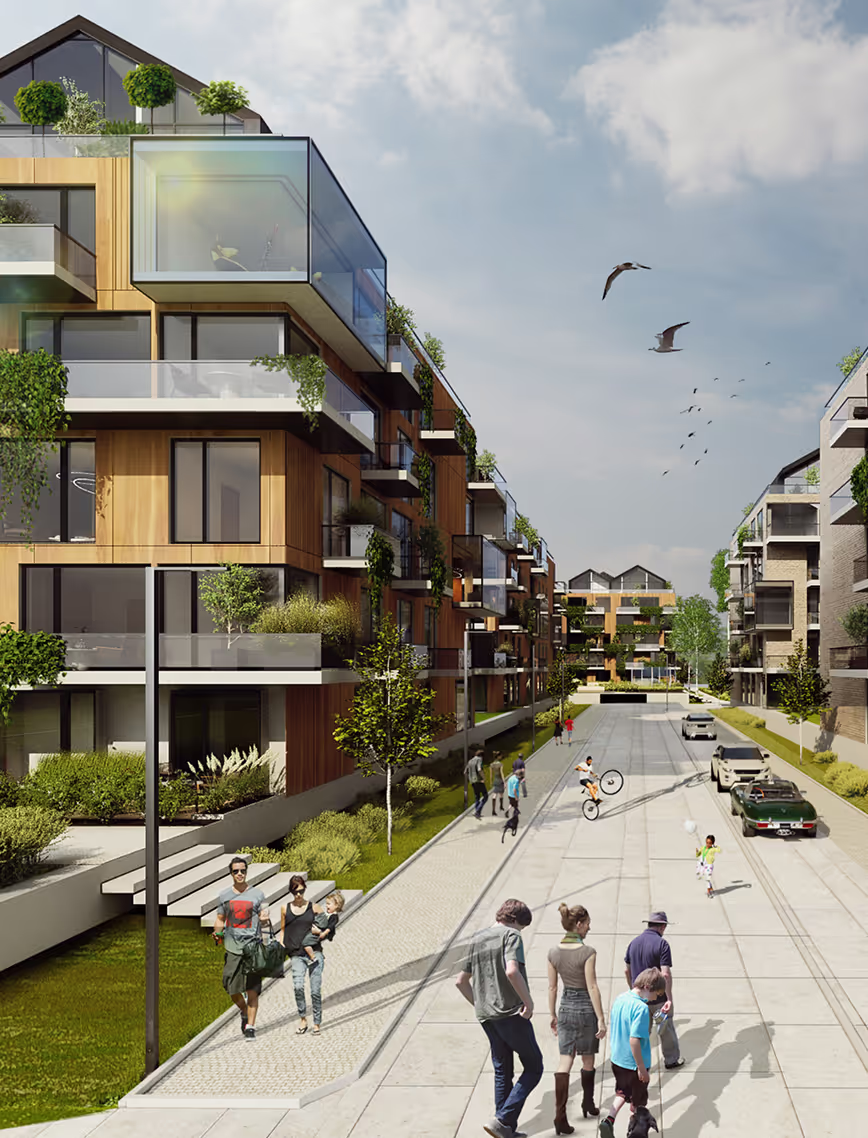
This residential building is located in a historically rich district of Riga. Designed with families in mind, the complex includes a shared playground and offers a thoughtful, community-oriented living environment.
Inspired by the surrounding industrial brick architecture, the new building’s façade is clad in clinker brick tiles - a material that ties the structure back to the area's heritage. Subtle brick patterns run across the elevations: vertical tile bands between floors and around the windows break up the massing and introduce fine detailing.
Where the building meets its neighbour on Sparģeļu Street, a decorative cornice line continues the rhythm of the adjacent structure, blending historic context with a contemporary architectural language.
.avif)
.avif)
.avif)
.avif)
.avif)
LAYOUT2
.avif)
.avif)
.avif)
LAYOUT1
.avif)
.avif)

2011
Maris Lagzdins, Didzis Grodzs
Office
LAYOUT1
The interior story complements those of the McCann and Inspired offices which are all located in the same building. The functional planning is based on the idea of a building with a central courtyard. The “courtyard” contains the workplaces and is separated with walls and windows, behind which are the meetings rooms and studio for media training. Overhead lighting follows this same pattern, marking the borders between the “courtyard” and deeper internal areas.
.avif)

LAYOUT2

We used simple materials like boards, lacquered MDF and straw-coloured carpets. Artificial grass marks the area of a stylised green patch.

LAYOUT1


LAYOUT1
Urban planning was our inspiration for the functional planning of the McCann Riga offices. We designed stylised “streets” with “houses”, podiums, and floor level flowerbeds.
.avif)
.avif)
.avif)
LAYOUT2
.avif)
.avif)

LAYOUT2
.avif)
Considering the limited budget, we made use of simple materials like lacquered MDF, white paint and planks to create pieces of furniture and finishings. We were early adopters of the upcycling idea. See, for example, the counter made of household junk. Every employee contributed an item from their home that they no longer used, so everyone felt like a part of the creative process. The lamps are made of cardboard tubes which were once fabric rolls. Proving that one man’s trash is another man’s gold. The McCann Riga offices won ‘Best foreign interior’ at the Moscow-based Best Office Awards 2011.
LAYOUT1
.avif)
.avif)
.avif)


Location:
Dubai, UAE
Year and status:
2022 - ongoing
Team:
Zane Tetere-Sulce
Valters Pozarnovs
Zane Araja
Zane Legzdina
Laura Berzina
Helmuts Nezborts
Roberts Abolins
Kristine Berza
Kaspars Broks
Olga Ponomarjova
Maria Gembitskaya
Dace Bula
Elina Tetere
Baiba Strautmane
Developer:
R.evolution
3D:
Olga Ponomarjova, Maria Gembitskaya, Sergejs Zarovnijs, BINYAN
Landscape:
Photo:
LAYOUT1
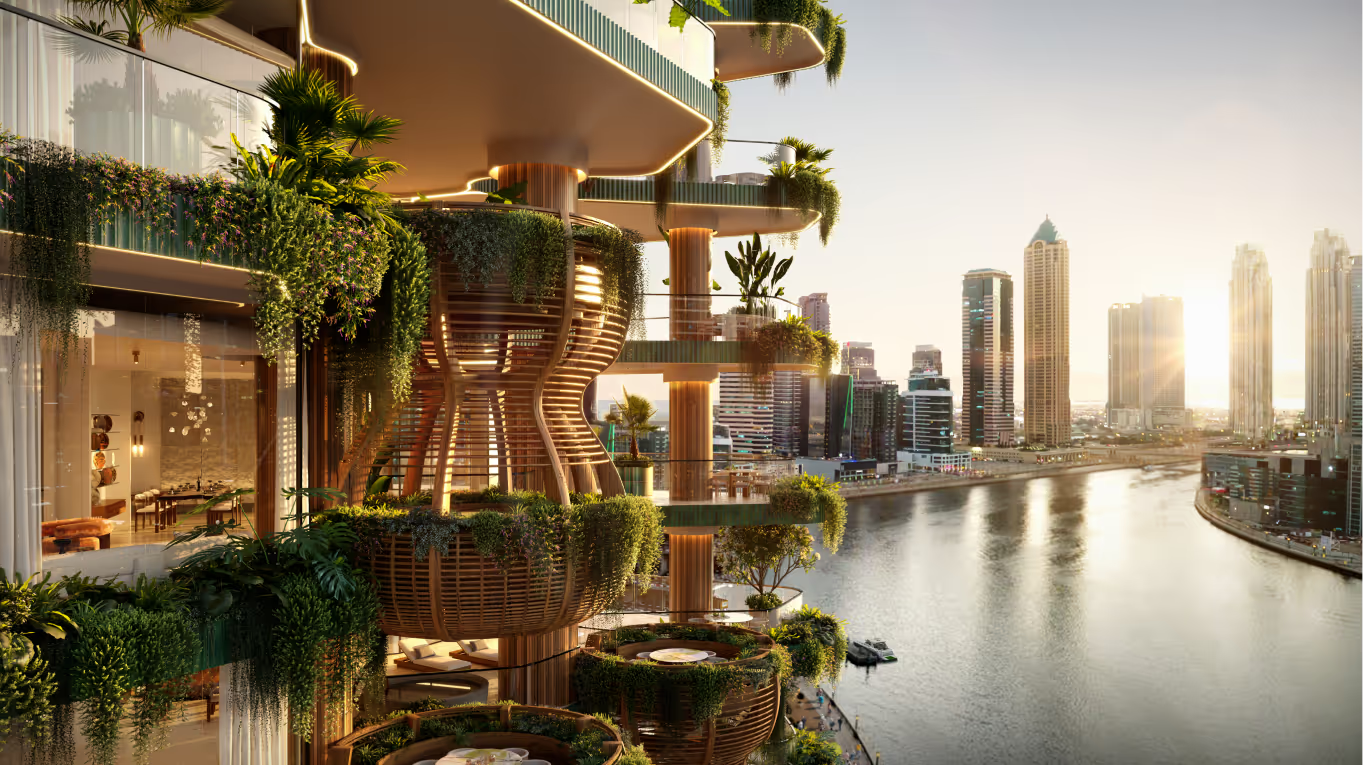
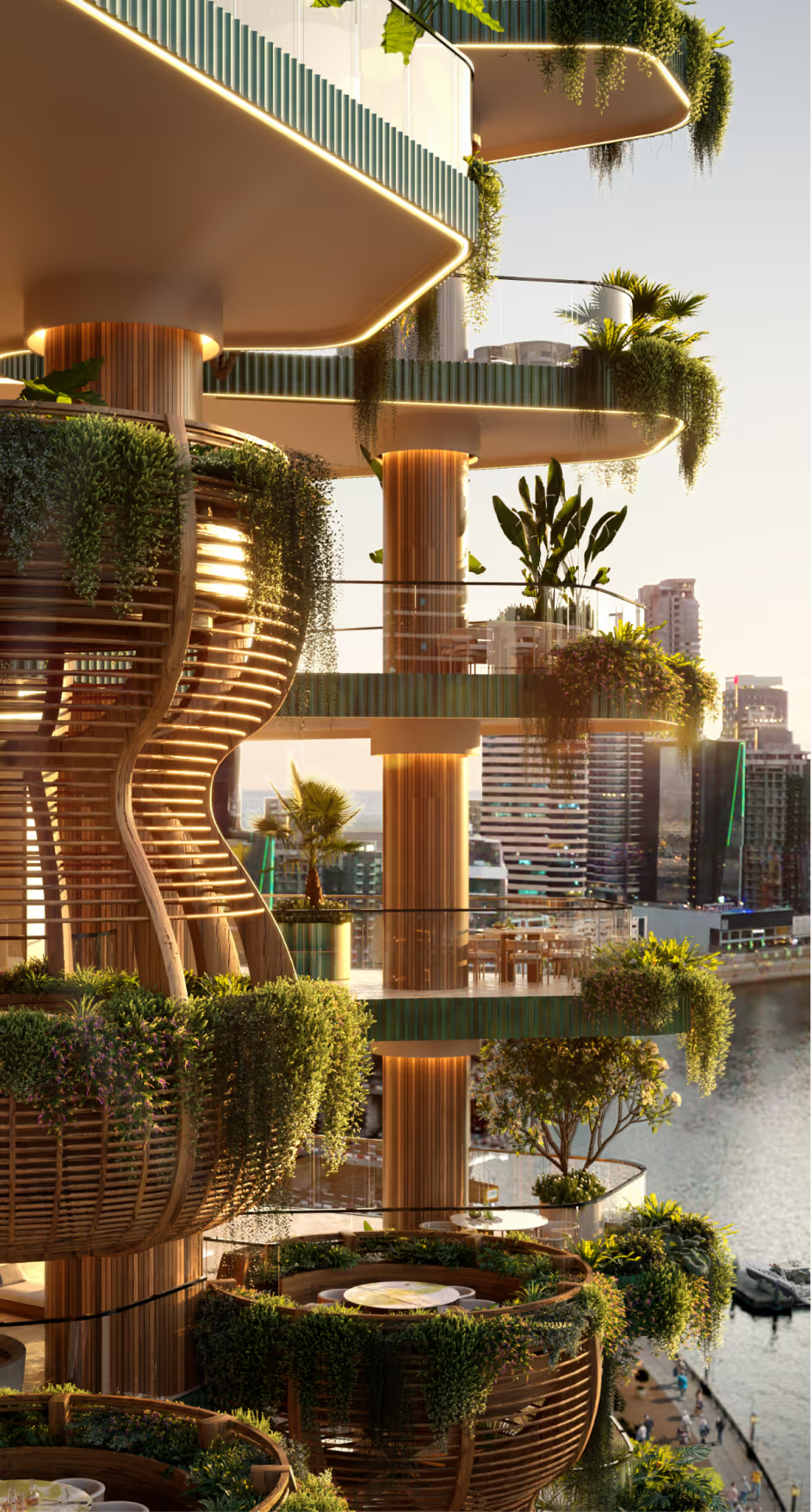
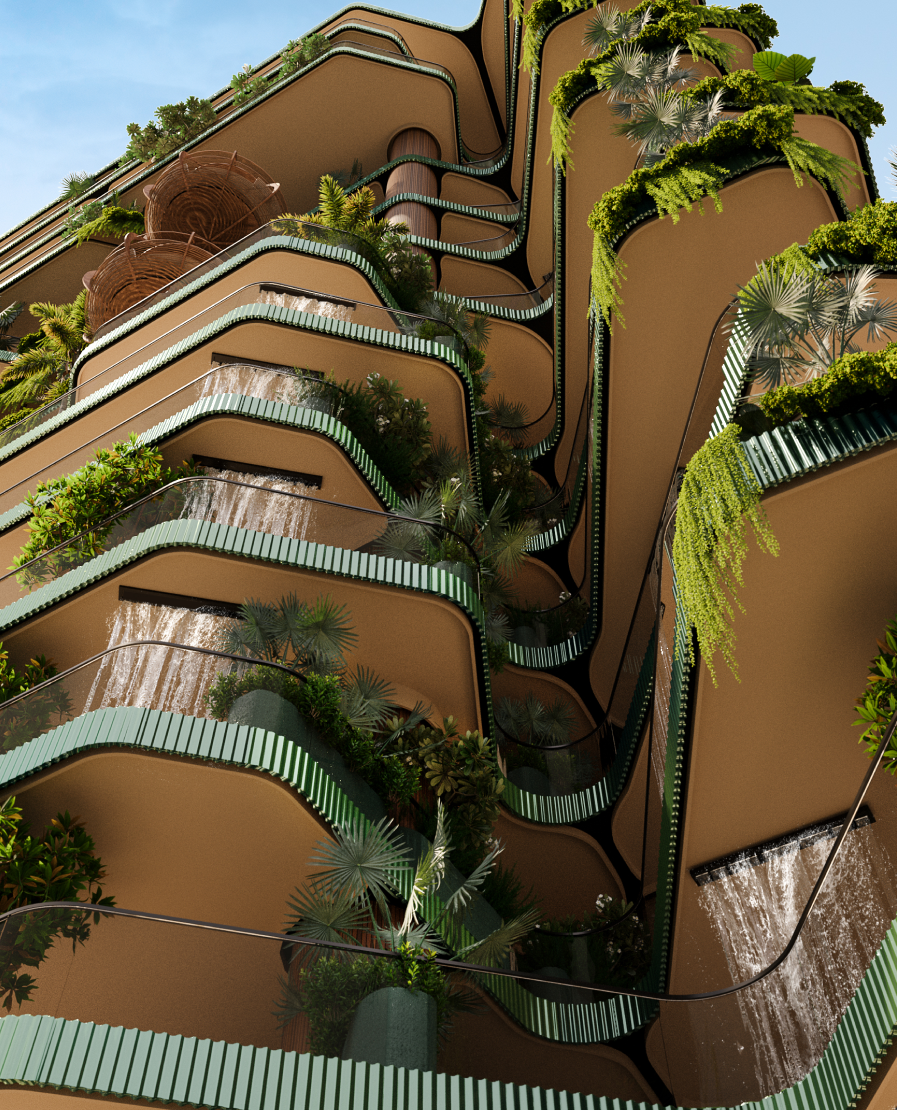
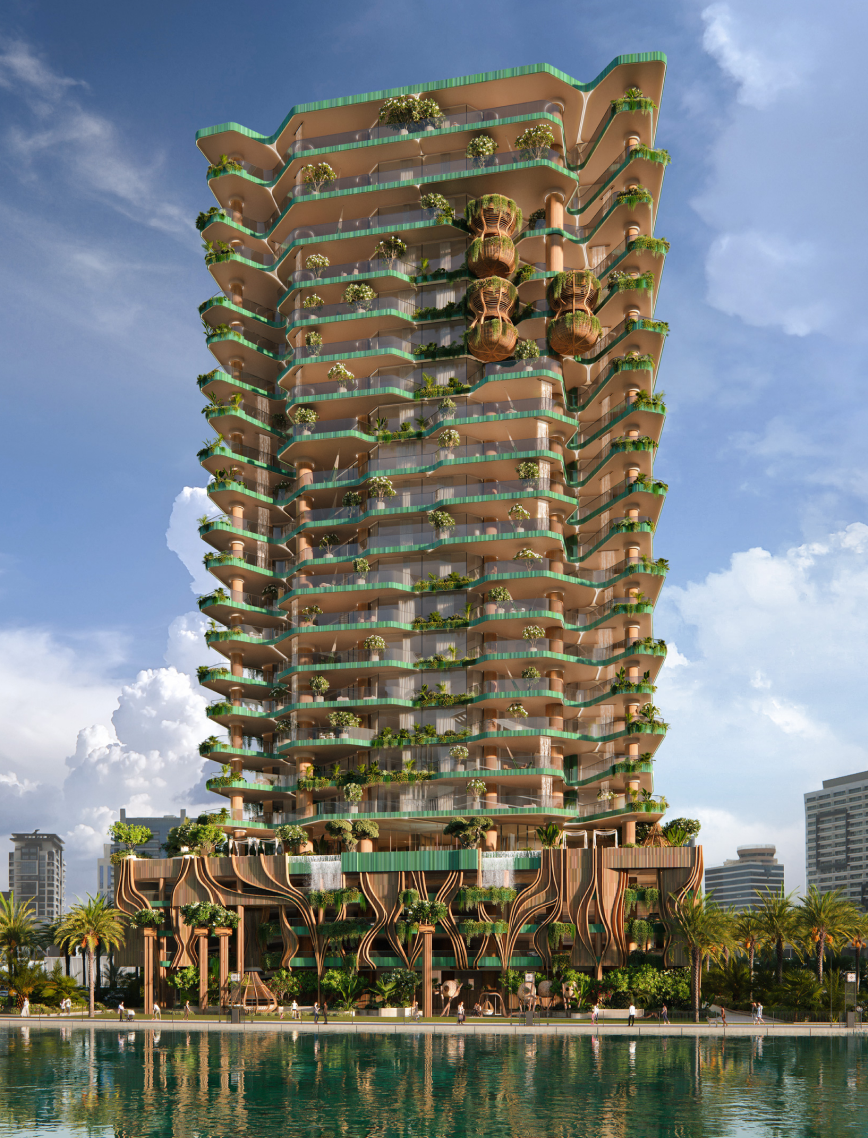
EYWA, situated in the Business Bay area of Dubai, is more than just a residential building. It’s a reflection of a dialogue between the city’s dynamic pace and the serene whispers of nature. Inspired by the sprawling beauty of the Banyan Tree, the architecture seamlessly merges Dubai’s urban appeal with organic elements.
EYWA redefines luxury by offering “wild luxury”, a nature-inspired experience that transcends traditional material opulence and connects with human emotions and senses. The project represents a unique approach to design, emphasizing mutual exchange of ideas, experiences, and global variety. With this project we are dedicated to finding common ground that infuses the city with a more compassionate approach to architecture. This embodies OAD’s commitment to diverse and people-centered architecture that seeks to find a shared language across different cultures and create spaces that have a positive impact on one’s well-being. In a busy city like Dubai, architecture does not always strive to create harmonious synergy between nature and urbanity. EYWA is evidence of this unity, as well as OAD’s commitment to translate our values into a design language that resonates with the local culture.
LAYOUT2

LAYOUT1

LAYOUT1
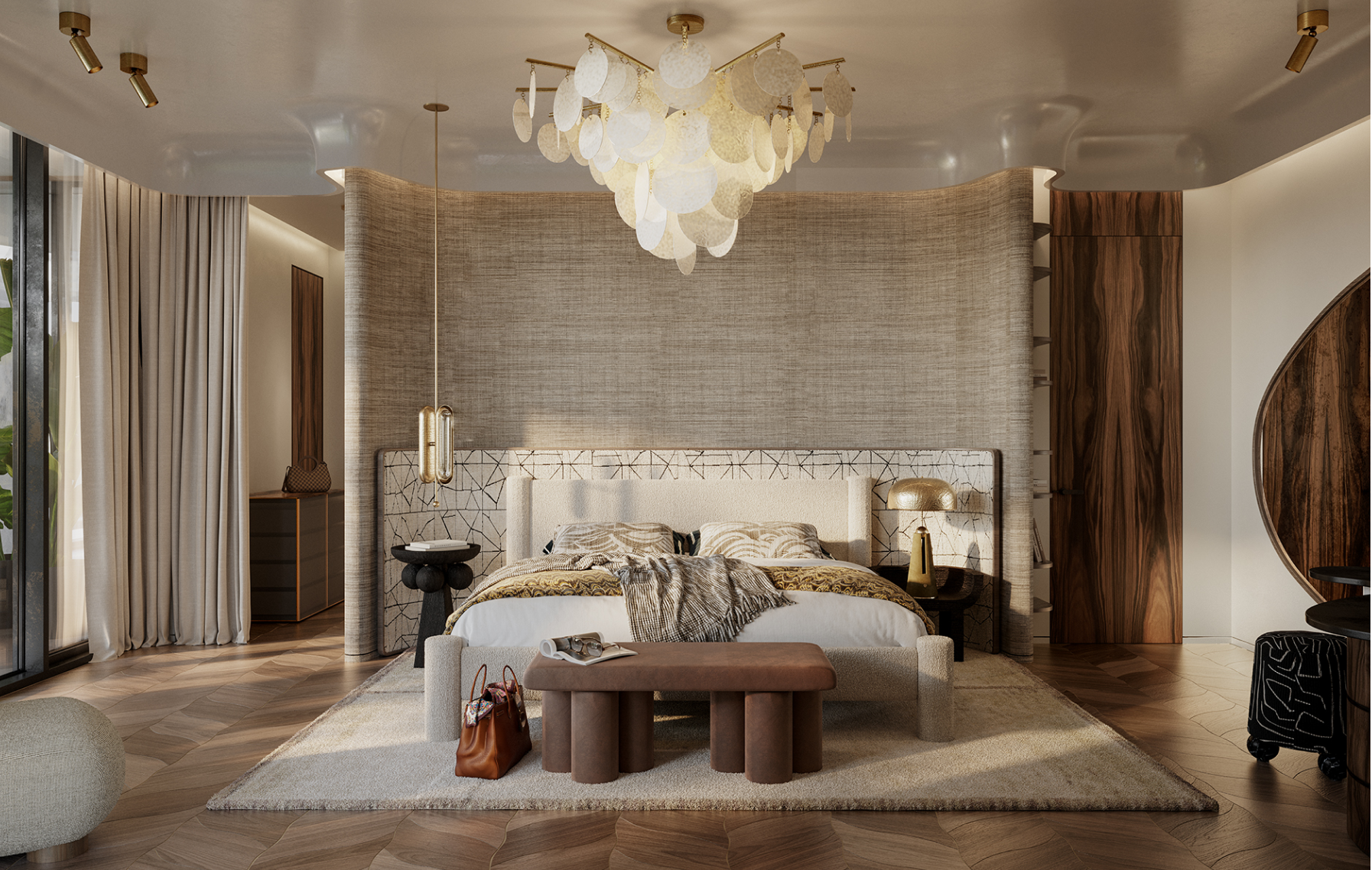
Each living space in Eywa, from the efficient 2-bedroom units to the expansive 5-bedroom options, is thoughtfully designed with a unified theme. This approach skillfully merges the interior with nature-inspired external elements, all realized with meticulous attention to detail. The concepts of ‘wild luxury,’ ‘sophistication,’ and ‘elegance’ are fundamental to Eywa’s design philosophy. The interiors boast visual abundance, highlighted by natural structures, wild textures, luxurious fabrics, precious crystals, and metals, creating a cohesive aesthetic throughout.
LAYOUT2

LAYOUT3


The interiors are characterized by contrasts that accentuate the value of each material. These contrasts are not only tactile, involving varied textures, but also visual, with the quality of light transforming surfaces and spaces from day to night. Natural materials are key, including wood with visible knots and grains, raw-edged or rough-cut stone slabs, complex fabric textures, layered rugs, and bright brass metals. This juxtaposition of finishes creates a dynamic harmony and interest within the spaces. Throughout the project, ‘Aha!’ moments arise from unexpected, exciting accents and details, adding layers of discovery and delight.
LAYOUT1
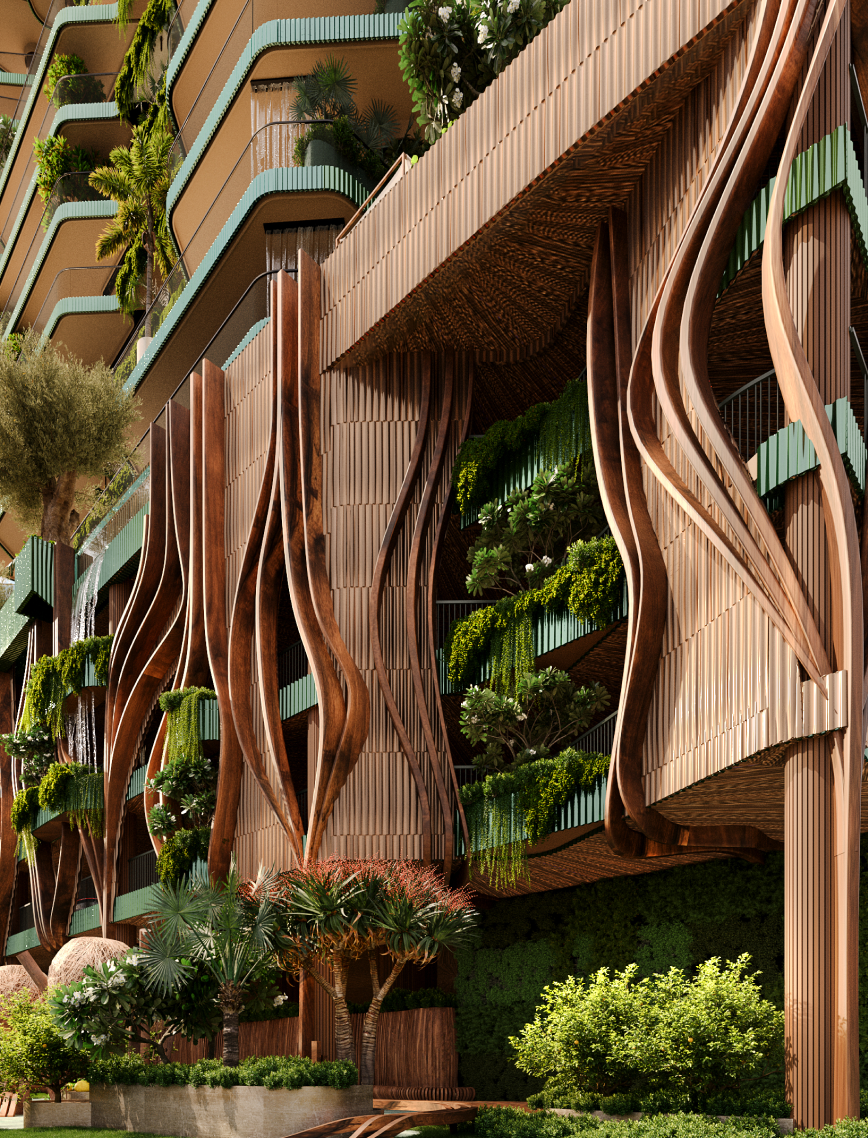
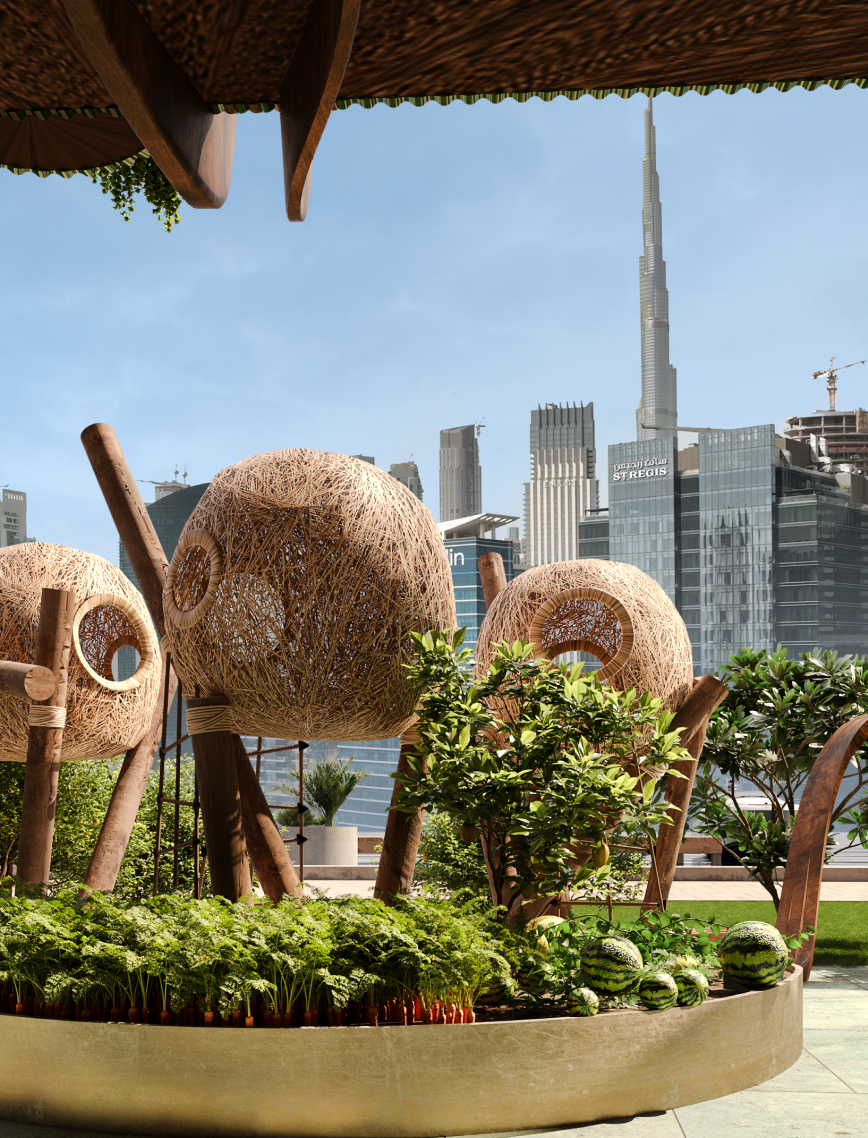
The public spaces in EYWA are designed to be continuous and immersive, providing a seamless floating experience from the moment one enters the building. Upon arrival, the journey starts under a captivating waterfall and tree like branches and canopies over one’s head, setting the stage for what lies ahead. The lobby, as a continuation of this narrative, features elements designed to shift mindsets and perspectives. Notable are the elevated nest-like installations, which not only add an artistic touch but also allow for varied viewpoints, enriching the sensory experience, ensuring continuous transition from the outdoor environment to the interior spaces. Additionally, these nest-like installations are libraries that offer residents opportunity to deepen their knowledge on various topic, including the ones foundational to the whole EYWA building and envisioned lifestyle.


LAYOUT1


LAYOUT2